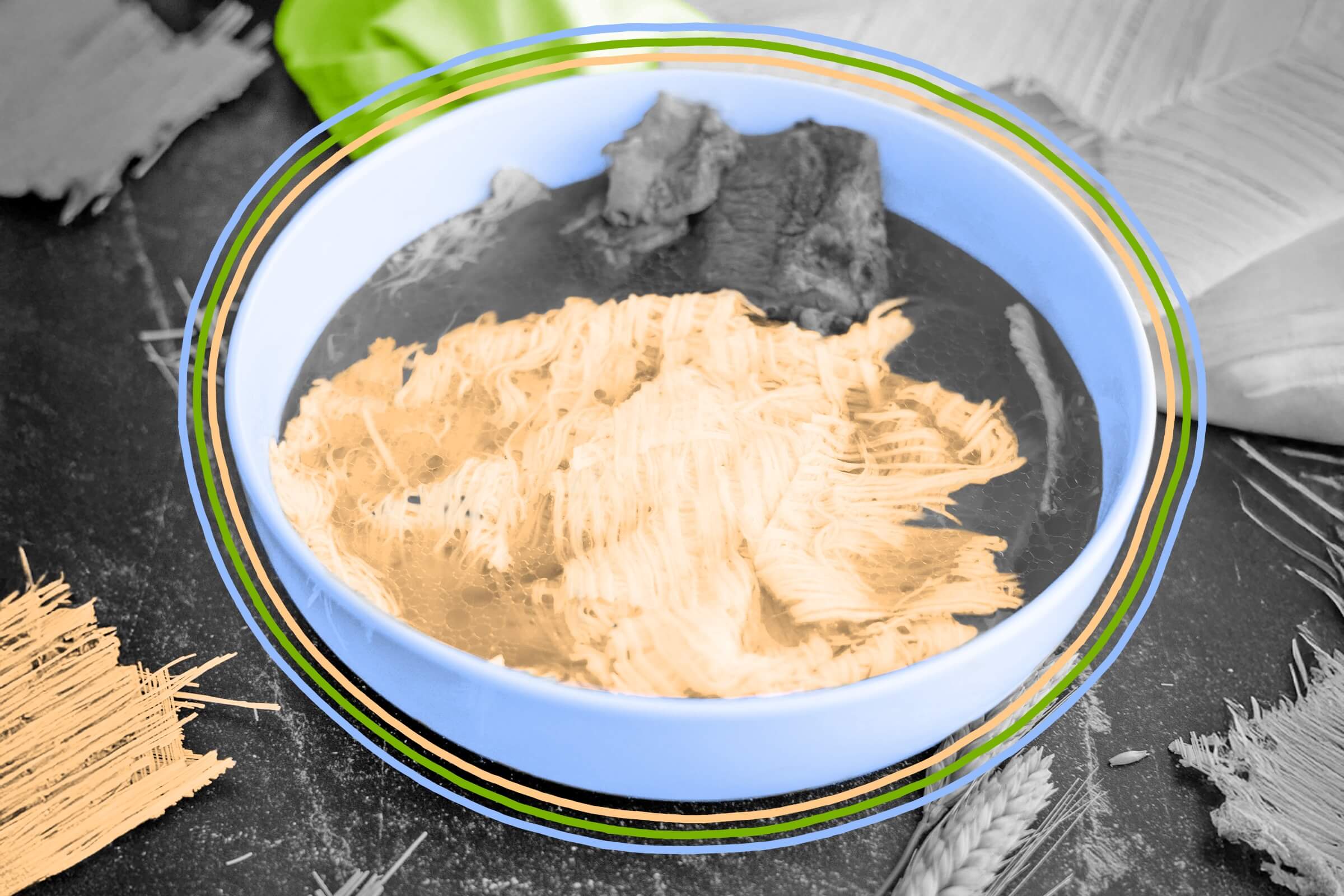
When debating the best pasta shape, a few classic heavyweights are bound to be in the mix: spaghetti, penne, rigatoni, tortellini, and, of course, gnocchi. All of these can easily be made by millions of people worldwide, even those who aren’t fortunate enough to have a nonna in their life. This distinguishes those types from su filindeu, the world’s rarest pasta, which, at one point, only three people knew how to cook — all of whom belonged to the same family.



Today, a handful of people carry on the tradition. One of them is Paola Abraini, who lives in the small Sardinian city of Nuoro and wakes up at 7 a.m. to begin making “the threads of god,” as the pasta has been nicknamed. The recipe has been passed down in her family for more than three centuries, though they don’t exactly keep the secret under lock and key. In recent years, Abraini’s family has begun teaching others to prepare the pasta in an effort to preserve the recipe. At least two chefs in Los Angeles and one in Singapore even serve it in their restaurants. And anyone with half an hour to spare can watch a detailed instructional video about su filindeu — they just probably won’t be able to accurately replicate Abraini’s work.
Such was the case when engineers from Barilla visited Abraini and unsuccessfully attempted to reproduce the pasta. That’s likely because the process requires folding semolina dough into 256 perfectly even strands before stretching them diagonally across a circular frame in a three-layer pattern. There are only three ingredients — semolina wheat, water, and salt — but Abraini insists the most important ingredient is elbow grease.

“Pasta” comes from the Italian word for ______.
Ready to reveal?
Confirm your email to play the next question?