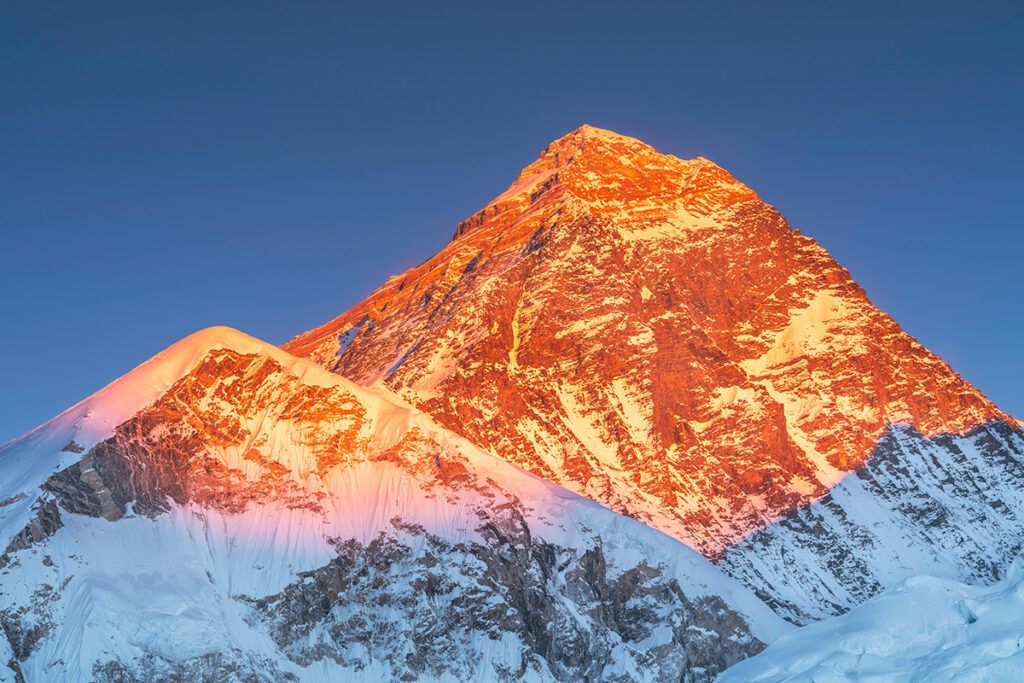
Icy glaciers probably don’t spring to mind when you think about the tropics. But whether it’s Indonesia, Kenya, or elsewhere, glaciers do exist in these warm climates. Of course, these huge chunks of ice aren’t beachside; instead, they’re perched high up in mountain ranges. The frigid formations are the result of snow that’s been compressed into massive, slow-moving bodies of ice over the course of centuries. Their disappearing act, however, will be much more swift. In fact, in some places, it’s already nearly complete.




Oops, incorrect!
It’s a fibAlthough icebergs may have once been part of a glacier, they are not glaciers themselves. Many floating icebergs form by separating, or calving, from large ice formations, but glaciers are much more massive than their long-lost offspring.
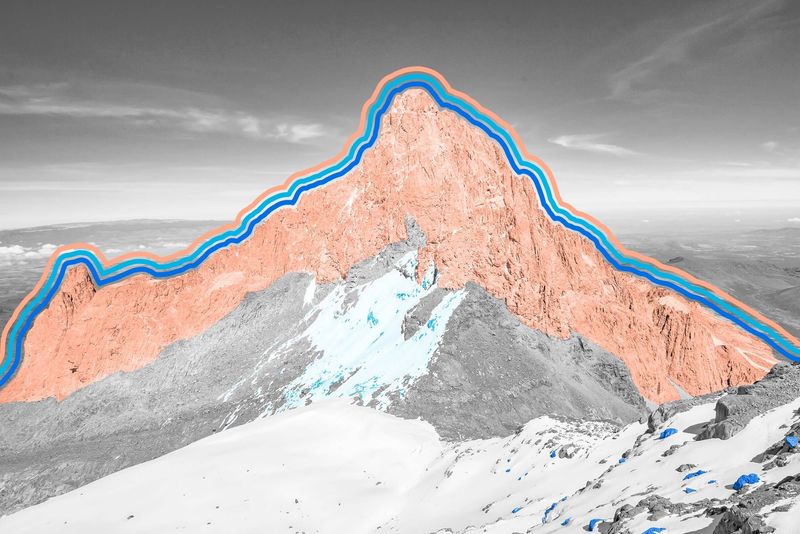
Recent reports estimate that the glaciers at Puncak Jaya in Indonesia, for example, have shrunk to just 40 acres, from 4,700 acres in the 19th century; scientists believe they’ll be completely gone within a year or two. Mount Kenya and Mount Kilimanjaro in Africa also sport glaciers on their peaks, though both mountains are steadily losing ice mass due to changes in ocean patterns caused by our warming world. In all, 50% of mountain glaciers (both tropical and nontropical) will disappear by the end of this century due to climate change.
Sadly, this is just the latest glacial batch facing evaporation. In 2009, the Chacaltaya glacier in Bolivia disappeared completely, and in 2024, the Conejeras glacier in Colombia was declared extinct. Glaciers can serve as vital water reserves during drought, so their disappearance can have dire consequences in hot regions. They’ll continue to exist in the colder reaches of the world for centuries, but the age of tropical glaciers is quickly coming to an end.

The largest tropical glacier is found in the South American country of ______.
Ready to reveal?
Confirm your email to play the next question?