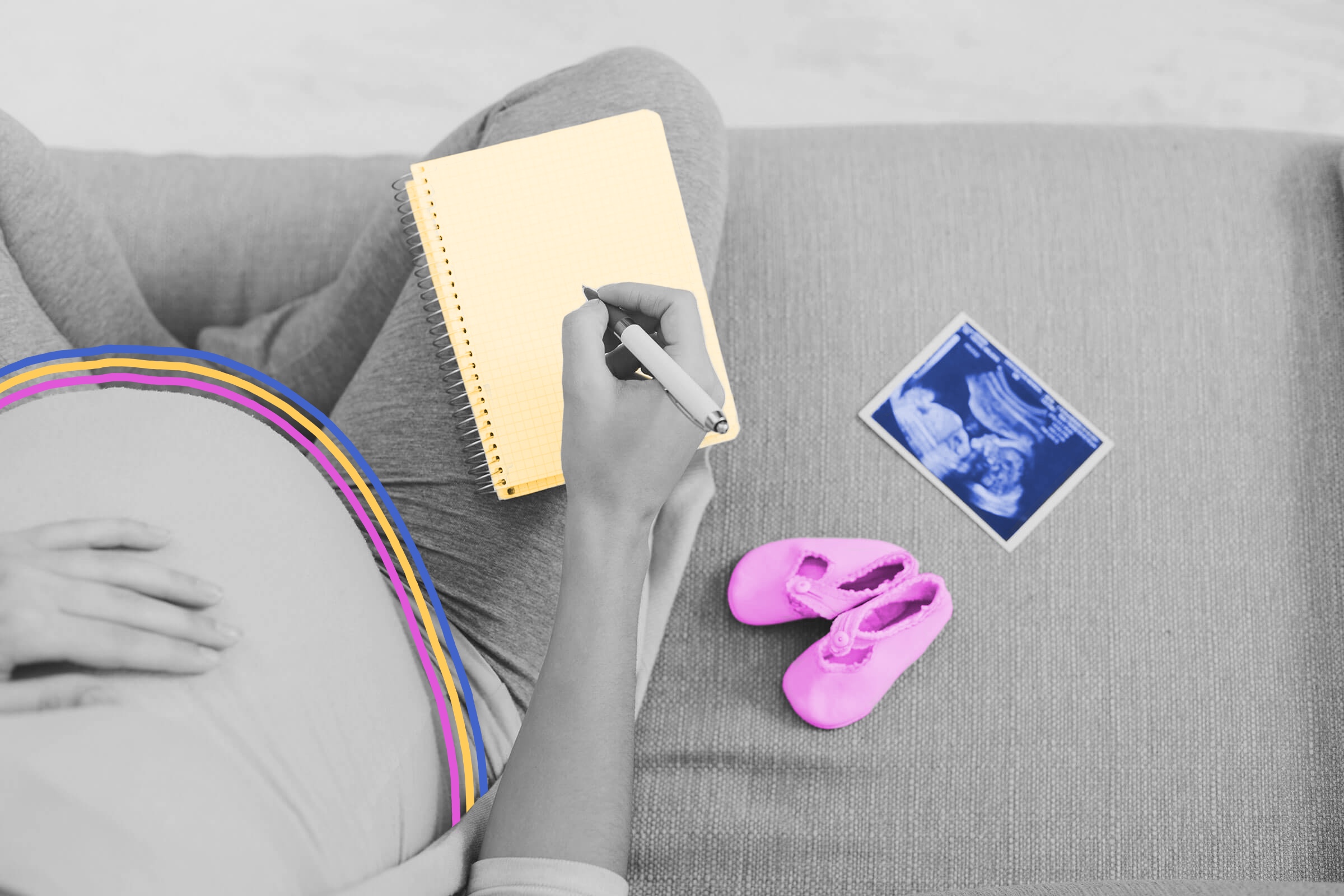
Although it may sound like something from the handbook of an oppressive regime, there are several generally tolerant countries that require parents to pick from a list of government-approved choices for baby names. Iceland, Denmark, Portugal, and Hungary are among these nations, although parents with a strong preference for something unique can apply for exceptions.



Oops, incorrect!
It’s a factThe news of this approval was revealed during a 2008 court case involving 9-year-old Talula Does The Hula From Hawaii, who was granted a pathway to changing her own unconventional name.
Other countries have no such lists but do set rules about what falls within the boundaries of acceptability. In New Zealand, for example, the Office of the Registrar-General will reject names that reflect an official title (such as “King”) or have nonnumerical or nonalphabetic characters (such as /). Germany’s Standesamt, meanwhile, will deny attempts to bestow the names of inanimate objects (e.g., “telephone”) or common surnames on children. Saudi Arabia’s interior ministry has banned names that contradict the kingdom’s cultural sensibilities. And the governments of numerous other countries will step in to nix a moniker that could offend others or threaten a child’s emotional well-being.
The United States isn’t exempt from such oversight into family matters either: There are naming restrictions in place that vary by state. Several states forbid obscene and derogatory names, and others prohibit the inclusion of numbers, symbols, or even accented letters. A few have limits on the number of characters permissible in the full or individual first, middle, and last names. Otherwise, the land of the free largely lives up to its billing in the baby-naming department.

Since 2017, the most popular name for baby boys in the United States has been ______.
Ready to reveal?
Confirm your email to play the next question?